


Emphasis on six aspects of education, promoting holistic development
|
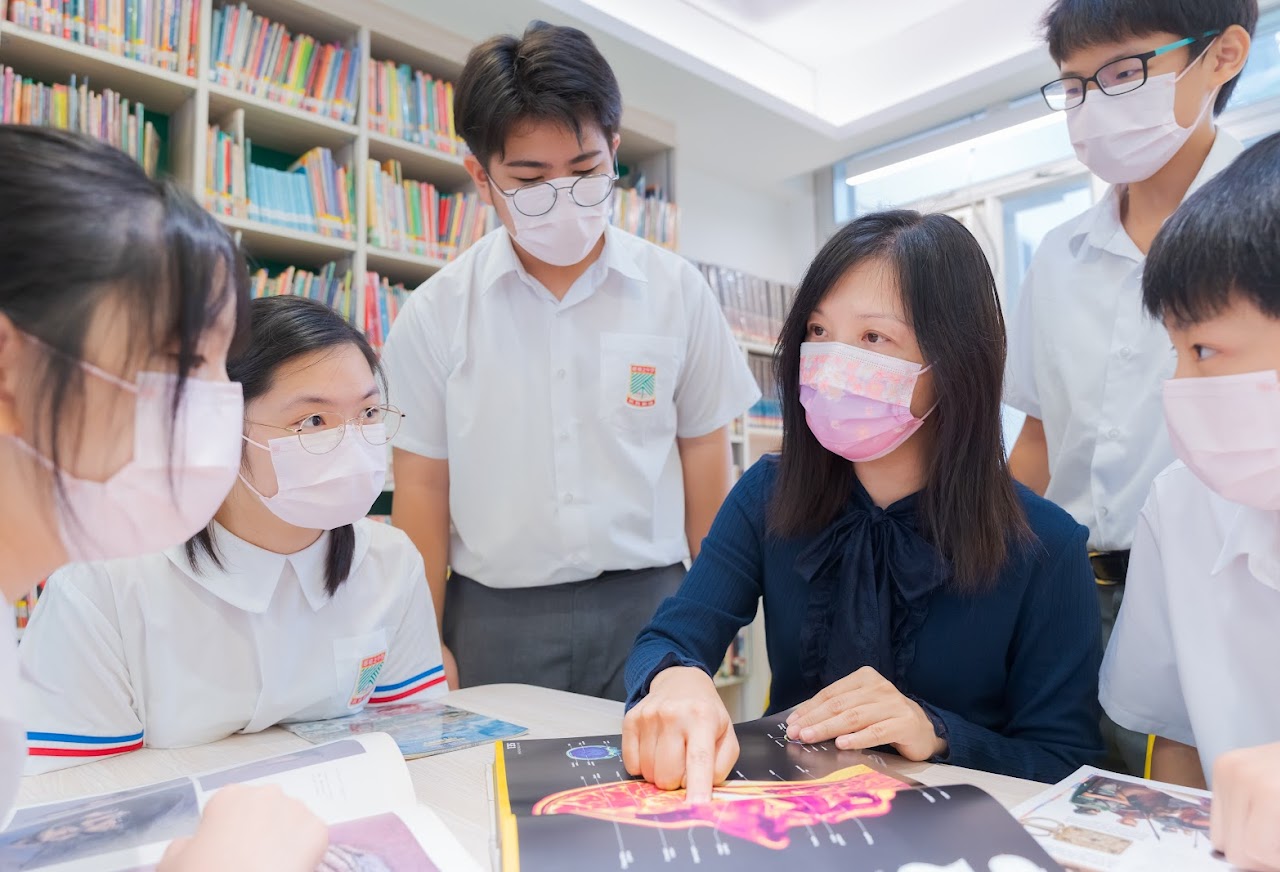
Our school emphasizes holistic education, enabling students to acquire knowledge in various fields, develop diverse talents, and establish sound life attitudes through different courses. Subjects are structured into a "school-based curriculum" tailored to students' needs and interests, with a focus on competency-based learning, real-life teaching materials, and activity-based teaching. The school also reviews its curriculum policies periodically to ensure they evolve with the times. The junior secondary school offers interdisciplinary courses in English and Science to cultivate students' independent thinking and creativity. In line with the school's belief in "equal emphasis on moral, intellectual, physical, aesthetic, and labor education," unique school-based courses in "Visual Arts Appreciation" and "Music" are offered in Forms 4 and 5, aiming to broaden students' artistic horizons, enhance their appreciation of beauty, and thus foster positive character development. Regarding enrichment and support measures, group teaching is implemented in Form 5 English and Chinese, Form 5 and 6 Liberal Studies, and Form 2 Mathematics to improve teaching effectiveness. Furthermore, the school offers Chinese and English conversation classes and Saturday English classes for senior secondary students to further enhance their language skills. In terms of holistic learning activities, students participate extensively in outdoor field trips and thematic workshops. The school also organizes overseas travel programs, having previously visited South Korea, Singapore, Malaysia, and Taiwan. The Academic Affairs Office collaborates with other professional organizations to offer courses including problem-solving and communication skills, self-management, and leadership training. Various subjects also regularly organize field trips, academic competitions, reading programs, and technical examinations to enhance students' self-learning abilities and interests. |
 |
Homework policy
| Our school has established a comprehensive system of "peer observation" and "homework review" to enhance the effectiveness of teaching and learning. This allows teachers to inspire each other through discussion and promotes professional development. The Academic Affairs Office implements a "homework policy," which includes a homework responsibility award to help students cultivate good study habits and achieve better learning outcomes. In addition, our school also holds several "Homework Improvement Classes" and "Homework Tutoring Classes" to assist students in need and guide classmates in completing their assignments. We expect students to complete high-quality homework diligently. |   |
Reading habits
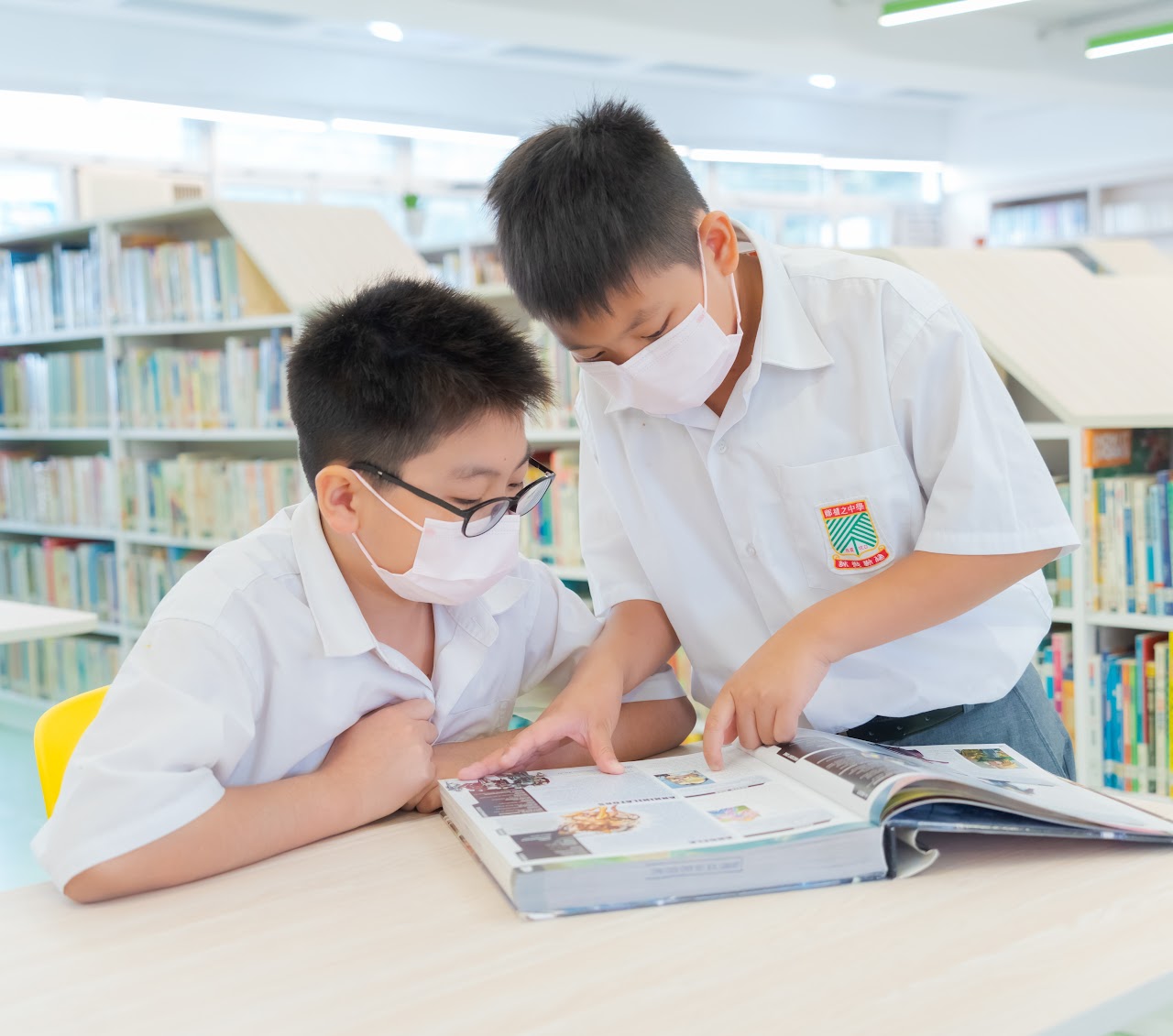 |
We believe that reading is a crucial step in learning, and cultivating a reading habit in students will greatly benefit their studies. Therefore, our school is committed to promoting reading. Since 2003, we have implemented a school-wide Chinese and English morning reading program to cultivate an overall reading atmosphere. With the slogan "DEAR (Drop Everything And Read)," we encourage students to read intellectually stimulating and valuable extracurricular materials every day to broaden their horizons. The library has established a permanent Chinese and English "Reading Rewards Program," with gold, silver, and bronze medals and awards of excellence to reward students with outstanding reading performance. The library also provides students with year-round subscriptions to newspapers and magazines, and regularly holds book fairs, book introductions, teacher-student reading sharing sessions, and author writing seminars. |
Academic assessment
| In addition to the standardized tests and two examinations held each academic year, subjects also employ continuous assessment strategies to evaluate students' academic performance. Assessment methods include quizzes, assignments, project work, reading, technical exams, and classroom participation, helping students cultivate a consistent learning attitude. After each exam, all students reflect on their learning, reviewing their strengths and weaknesses to actively improve their learning outcomes. |   |